

A clean home environment is a living space that actively reduces indoor pollutants, allergens, and pathogens to protect your physical health and support mental well-being. Most people think cleanliness means surfaces look tidy. The real standard, backed by public health guidance, goes further: it means controlling dust mites, mold, bacteria, lead particles, and pests that you cannot always see. Jermaphobi4me is built on exactly this principle. A clean home is not a spotless showroom. It is a space where the air you breathe, the surfaces you touch, and the rooms you sleep in actively work in your favor.
What is a clean home environment, exactly?
A clean home environment is defined by the absence of harmful indoor pollutants, allergens, and biological hazards, not just the absence of visible dirt. Public health professionals use the term “healthy home” to describe this standard, and it covers four core categories: physical cleanliness, allergen control, pest prevention, and indoor air quality.
Physical cleanliness means removing dust, dirt, and debris from floors, surfaces, and fabrics on a regular schedule. Allergen control targets the specific triggers that cause asthma attacks and allergic reactions, including dust mite fecal pellets, mold spores, and pollen tracked in from outside. Washing bedding weekly in hot water and using allergy-proof mattress encasements are two of the most effective dust mite controls available.
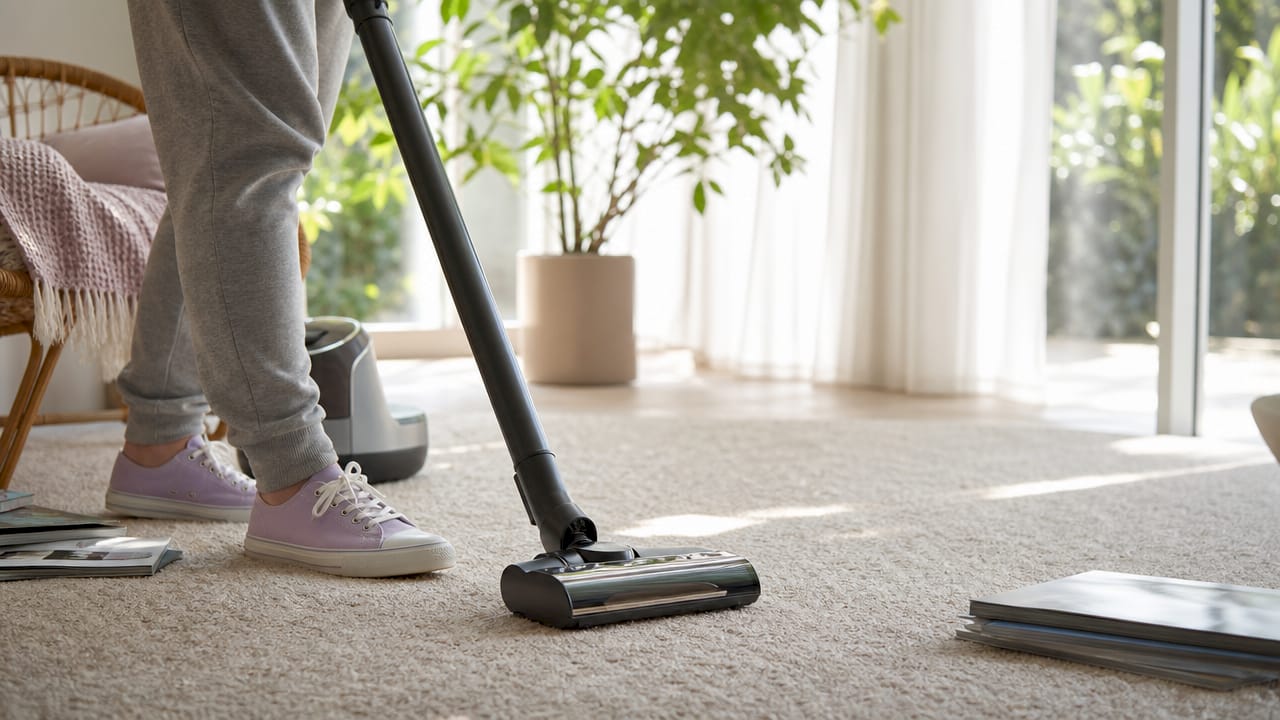
Pest prevention works by eliminating the food sources and hiding places that attract insects and rodents. Removing food sources and clutter cuts pest activity more reliably than pesticide sprays alone. Air quality rounds out the picture: proper ventilation, reduced chemical off-gassing, and consistent cleaning all lower the concentration of indoor pollutants that accumulate in sealed spaces.
One distinction professionals make is the difference between cleaning, sanitizing, and disinfecting. Cleaning uses warm water and soap to physically remove germs and debris. Sanitizing uses a diluted bleach solution to reduce microbial load on already-clean surfaces. Disinfecting uses stronger products to kill viruses and bacteria. Each step serves a different purpose, and the three-level cleaning system is the professional standard for residential hygiene.
Pro Tip: Always clean a surface before you sanitize or disinfect it. Debris blocks chemicals from reaching pathogens, which makes the sanitizing step nearly useless on a dirty surface.
How does a clean home benefit your physical and mental health?
The health benefits of a clean living space split into two clear categories: physical protection and psychological relief. Both are well-documented, and both matter for anyone spending significant time at home.
On the physical side, reducing allergens and pathogens directly lowers your risk of asthma attacks, respiratory infections, and skin reactions. Dust mites, mold, and pet dander are the leading indoor asthma triggers, and regular cleaning is the most direct way to control them. Cleaning also burns 100–200 calories per hour, making it a form of moderate physical activity with real cardiovascular value.
The mental health case for a tidy home is equally strong. Research published in Psychology Today links cluttered and dirty environments to elevated cortisol levels, the hormone associated with chronic stress. Elevated cortisol over time contributes to anxiety, poor sleep, and reduced immune function. That connection means your home’s cleanliness level has a measurable effect on your body’s stress response, not just your mood.
“Cleaning creates order and reduces stress by providing mastery over one’s environment. Psychology experts emphasize the psychological control gained from cleaning that alleviates anxiety and supports mental well-being.”
Verywell Mind reports that cleaning reduces anxiety by giving people a concrete sense of control over their surroundings. That sense of mastery is especially valuable during periods of uncertainty or high stress. A clean bedroom, for example, supports better sleep by reducing both physical allergens and the mental noise of visual clutter. Better sleep, in turn, improves focus, mood, and immune response the next day.
The benefits of a clean living space also extend to social confidence. Homeowners and renters who maintain tidy spaces report greater comfort inviting guests over, which supports social connection and reduces isolation. The link between cleanliness and wellness runs deeper than most people realize when they first start building cleaning habits.
What practical routines help you maintain a clean home?
The most effective cleaning routines follow a three-tier structure that matches effort to frequency. Professional hygiene standards recommend a daily, weekly, and monthly system that prevents buildup without requiring marathon cleaning sessions.
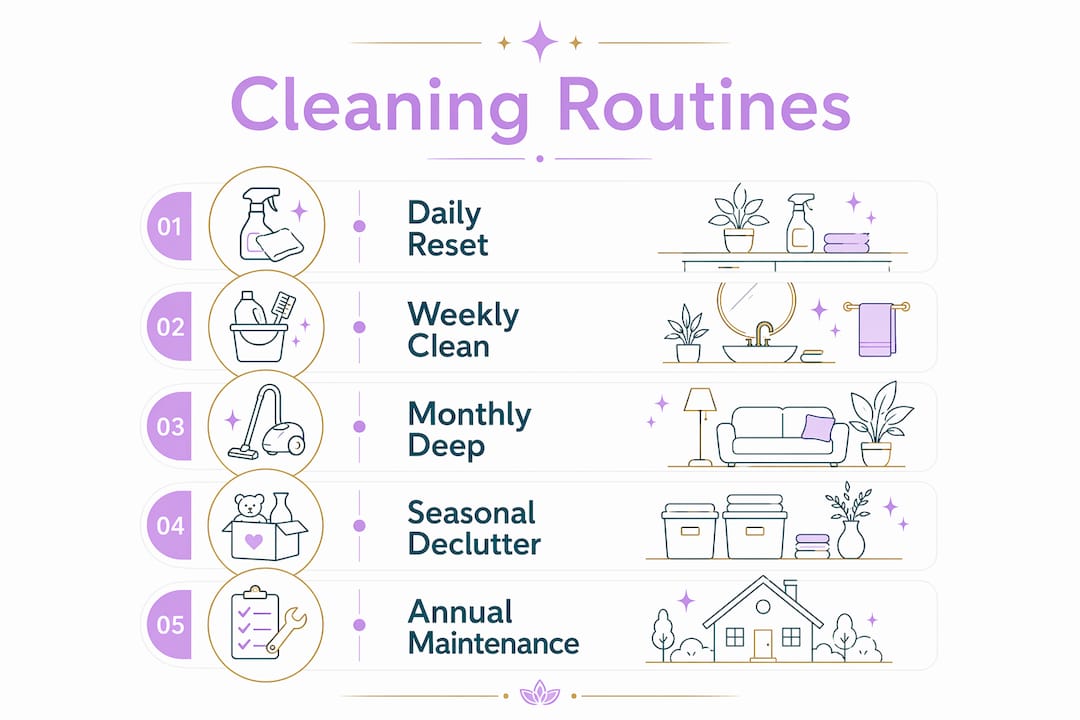
| Tier | Time Required | Key Tasks |
|---|---|---|
| Daily reset | 5–10 minutes | Wipe counters, put items away, quick floor sweep |
| Weekly clean | 60–180 minutes | Vacuum, mop, scrub bathrooms, change bedding |
| Monthly maintenance | 30–90 minutes | Deep clean appliances, wash windows, declutter |
This structure works because it distributes effort evenly. Skipping the daily reset forces the weekly clean to compensate, which makes it feel burdensome and harder to sustain.
Zone cleaning is the most efficient way to organize your weekly session. Divide your home into zones (kitchen, bathrooms, bedrooms, living areas) and clean one zone at a time rather than one task type across the whole house. Grouping tasks by zone reduces decision fatigue and cuts the time you spend moving supplies from room to room.
- Start at the top of each room and work downward. Dust ceiling fans and shelves before vacuuming floors.
- Clean dry surfaces before wet ones to avoid spreading moisture.
- Tackle high-touch areas (light switches, door handles, faucets) during every weekly clean.
- Schedule a seasonal deep clean in march and september to address areas that weekly cleaning misses.
- Declutter before you clean. Removing items from surfaces makes cleaning faster and more thorough.
Pro Tip: Build micro-habits like a 3-minute nightly kitchen reset. Small daily habits compound over time and significantly delay the need for intensive deep cleaning sessions.
Regular decluttering carries its own psychological payoff. Removing items you no longer use reduces visual noise, which lowers background stress. The steps to declutter your home do not require a full weekend. Fifteen minutes per zone, once a month, produces a measurable reduction in clutter over a single season.
What common misconceptions can undermine a healthy home?
Several widespread beliefs about cleaning actually reduce its effectiveness or create new health problems. Recognizing them helps you clean smarter, not harder.
The most consequential misconception is that sanitizing or disinfecting replaces cleaning. The CDC is direct on this point: sanitizing dirty surfaces does not work because physical debris shields pathogens from the chemical agent. You must clean first, every time, before applying any sanitizer or disinfectant.
A second misconception is that stronger products mean better results. Harsh chemical cleaners can trigger allergic reactions in sensitive individuals, and some cleaning products cause allergies through repeated skin and respiratory exposure. Plant-based or fragrance-free alternatives clean effectively without the same risk profile.
The third misconception is that a healthy home must be perfectly clean at all times. That standard creates cleaning anxiety, which is its own mental health burden. The goal is a consistently maintained space that controls genuine hazards, not a sterile environment that demands constant effort.
Healthy cleaning habits: do’s and don’ts
- Do clean surfaces with soap and water before applying any disinfectant.
- Do wash bedding weekly in hot water to control dust mites.
- Do ventilate rooms when using chemical cleaning products.
- Do choose fragrance-free or plant-based cleaners if you have sensitive skin or respiratory issues.
- Don’t apply disinfectant spray to a visibly dirty surface and consider it clean.
- Don’t use bleach-based products on every surface. Reserve them for high-risk areas like bathrooms and kitchens.
- Don’t equate a spotless appearance with a genuinely healthy home. Invisible allergens and pollutants matter more than surface shine.
Men, in particular, often underestimate how much a clean home environment affects their focus, sleep quality, and daily stress levels. The research on cortisol and clutter applies equally regardless of who lives in the space.
Key Takeaways
A clean home environment reduces indoor pollutants, allergens, and pathogens through consistent physical cleaning, allergen control, and good air quality practices, producing measurable benefits for both physical and mental health.
| Point | Details |
|---|---|
| Definition goes beyond appearance | A healthy home controls dust mites, mold, pests, and pollutants, not just visible dirt. |
| Clean before you sanitize | Debris blocks disinfectants from working; physical cleaning with soap and water must come first. |
| Three-tier routine prevents burnout | Daily resets (5–10 min), weekly cleans (60–180 min), and monthly maintenance (30–90 min) distribute effort evenly. |
| Clutter raises cortisol | Cluttered environments link directly to elevated stress hormones, making decluttering a genuine health practice. |
| Product choice matters | Harsh chemical cleaners can cause allergic reactions; fragrance-free or plant-based options reduce that risk. |
Why I think most people are cleaning for the wrong goal
Most cleaning advice focuses on appearance. Wipe it down, make it shine, impress your guests. That framing misses the point entirely, and I say that from years of thinking about what clean environments actually do for the people living in them.
The real goal is reducing your body’s invisible burden. Every time you vacuum up dust mite debris or wash allergens out of your bedding, you are lowering the number of triggers your immune system has to respond to. That matters more than whether your countertops gleam under the light.
The mental health angle surprises people most. I have seen homeowners invest in expensive air purifiers while leaving clutter piled in every corner. The clutter does more damage to their stress levels than the air quality does. Cortisol does not care whether your floors are mopped. It responds to the visual and psychological weight of disorder.
My honest recommendation is to start with the smallest possible habit and make it non-negotiable. A five-minute nightly reset in the kitchen changes how you feel about your home within two weeks. That feeling of control is not trivial. It is the foundation that makes every other cleaning habit easier to build.
A clean home is not a project you finish. It is a practice you maintain. The people who sustain it longest are the ones who stopped trying to achieve perfection and started focusing on consistent, manageable effort instead.
— Gimmi
Jermaphobi4me products that support your clean home routine
Maintaining a genuinely clean home takes the right products alongside the right habits. Jermaphobi4me carries a range of hygiene products designed to complement the routines covered here, from daily hand hygiene to surface-safe personal care.
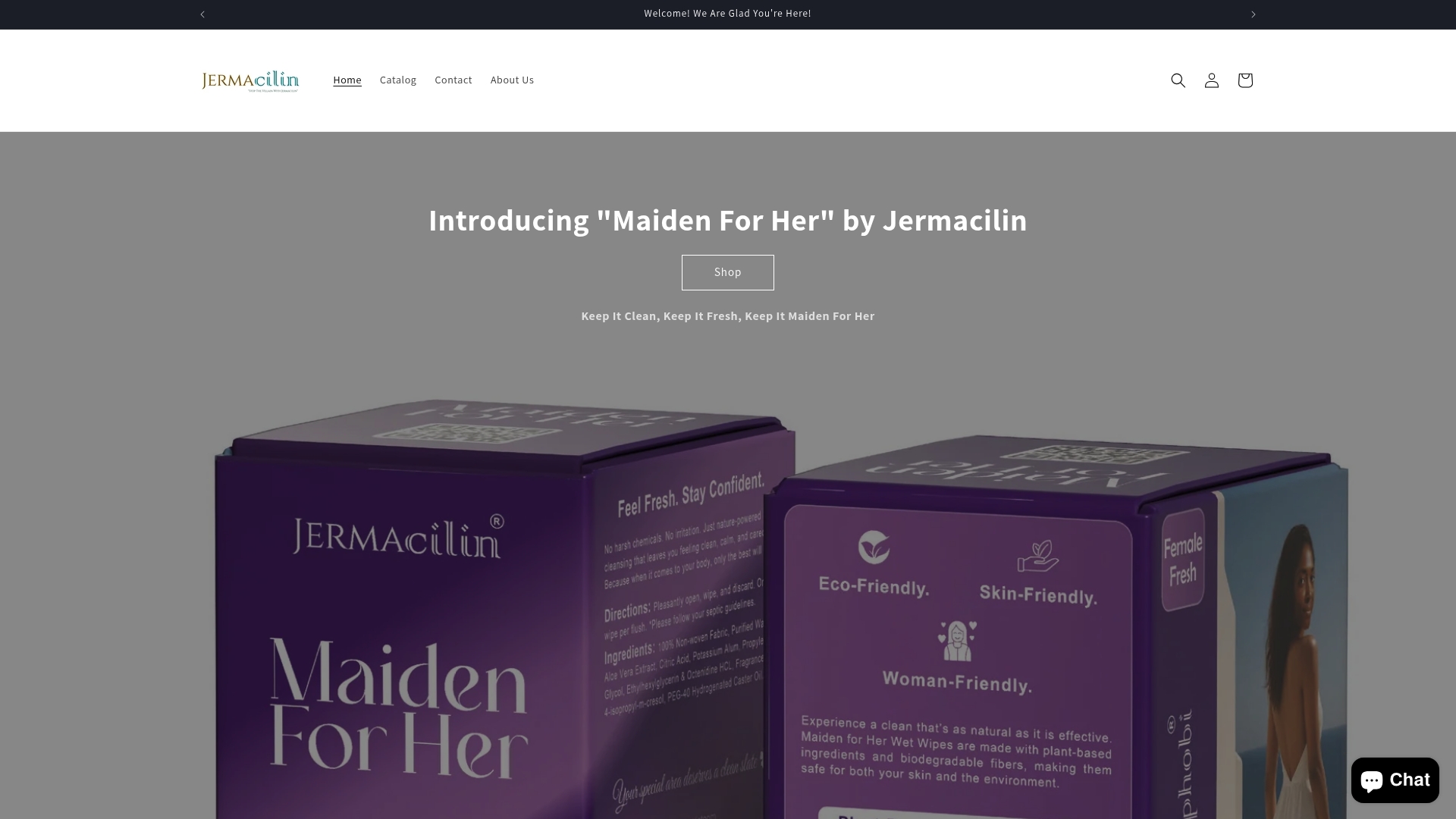
The top seller collection includes natural cleansing sticks and eco-friendly wet wipes that work alongside your cleaning schedule without introducing harsh chemicals into your home. The Maiden For Her wet wipes are plant-based, pH balanced, and designed for people who want effective hygiene without the allergy risk that comes with conventional products. If you are building a hand hygiene routine from scratch, the hand hygiene starter kit is a practical starting point that covers the basics in travel-friendly sizes.
FAQ
What is the definition of a clean home environment?
A clean home environment is a living space that reduces indoor pollutants, allergens, pests, and pathogens through regular physical cleaning, allergen control, and good ventilation. Public health guidance defines it by health outcomes, not just visual appearance.
How often should you clean your home to keep it healthy?
Professional hygiene standards recommend a daily reset of 5–10 minutes, a weekly clean of 60–180 minutes, and a monthly maintenance session of 30–90 minutes to maintain a genuinely healthy home.
Does a clean home actually improve mental health?
Yes. Research links cluttered and dirty environments to elevated cortisol levels, a marker of chronic stress. Cleaning provides a sense of control and mastery that directly reduces anxiety and supports mental clarity.
What is the difference between cleaning, sanitizing, and disinfecting?
Cleaning uses soap and water to remove dirt and germs. Sanitizing uses a diluted solution to reduce microbial load on already-clean surfaces. Disinfecting uses stronger agents to kill viruses and bacteria, and it only works effectively after a surface has been physically cleaned first.
Can cleaning products themselves harm your health?
Some cleaning products cause allergic reactions through skin and respiratory exposure, particularly those with harsh chemicals or synthetic fragrances. Choosing fragrance-free or plant-based alternatives reduces that risk while maintaining cleaning effectiveness.
Recommended
- Why a Clean Environment Boosts Wellness and Health – Gimmi Vitality Products dba Jermacilin Store
- Why Men Need Clean Environments for Better Health – Gimmi Vitality Products dba Jermacilin Store
- What Is a Safe Cleaning Product? Your 2026 Guide – Gimmi Vitality Products dba Jermacilin Store
- What Is Chemical-Free Cleaning? A Practical Guide – Gimmi Vitality Products dba Jermacilin Store