

Cleaning products cause allergies by releasing chemical irritants and allergens that trigger immune and respiratory reactions in sensitive people. The medical term for this is contact sensitization or chemical hypersensitivity, and it affects millions of Americans who clean their homes with conventional products every week. Ammonia, bleach, synthetic fragrances, and volatile organic compounds (VOCs) are the primary offenders. The Asthma and Allergy Friendly Certification Program exists specifically because these reactions are well-documented and preventable. Understanding which chemicals provoke your symptoms is the first step toward a cleaner, healthier home.
Which common chemicals in cleaning products trigger allergic reactions?
Chemical allergens in cleaning products fall into several distinct categories, each with its own mechanism of harm. Knowing what you’re dealing with makes it far easier to avoid the worst offenders.
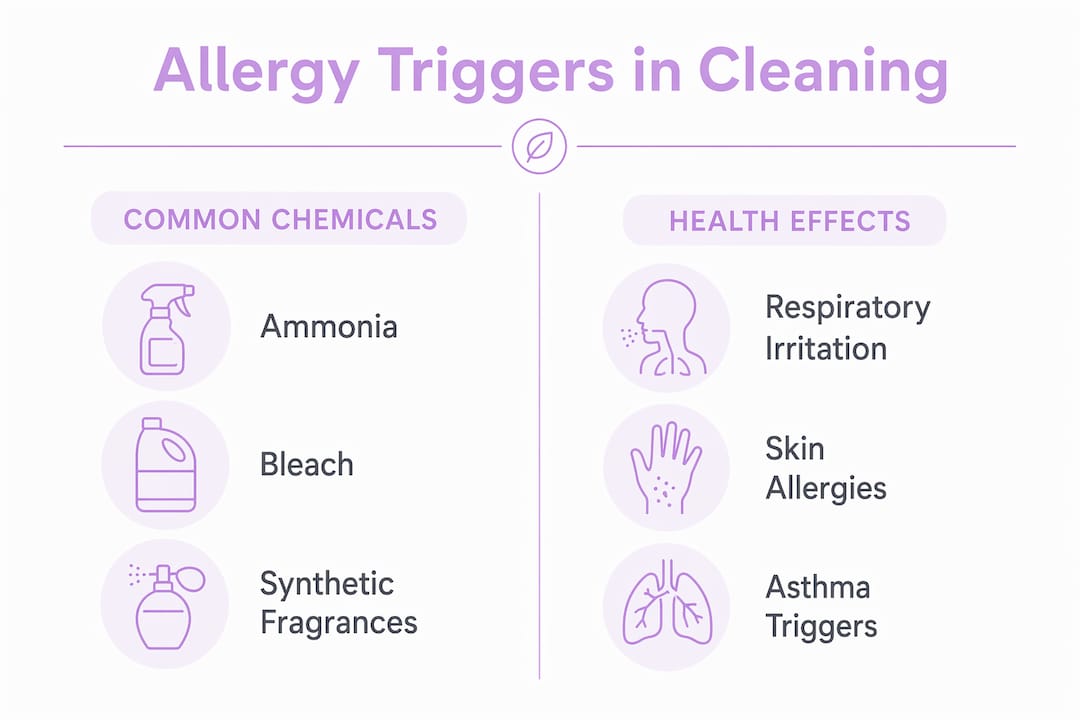
Ammonia, bleach, and chlorine
Ammonia fumes are potent respiratory irritants directly linked to asthma attacks and allergic rhinitis. They appear in glass cleaners, multi-surface sprays, and floor products. Bleach releases chlorine gas when used in enclosed spaces, which inflames airways and worsens existing asthma. Neither chemical is gentle on skin either. Repeated skin contact causes contact dermatitis, a form of eczema triggered by chemical exposure.
Synthetic fragrances and hidden ingredients
Synthetic fragrances are the most deceptive allergen category in household cleaners. Fragrance components are often trade secrets, hiding numerous undisclosed chemicals including endocrine disruptors that cause allergic reactions. A product labeled “fresh linen scent” may contain dozens of individual chemical compounds, none of which appear on the label. Consumer Reports stresses that “fragrance-free” labeling is the only reliable signal for avoiding these hidden ingredients.
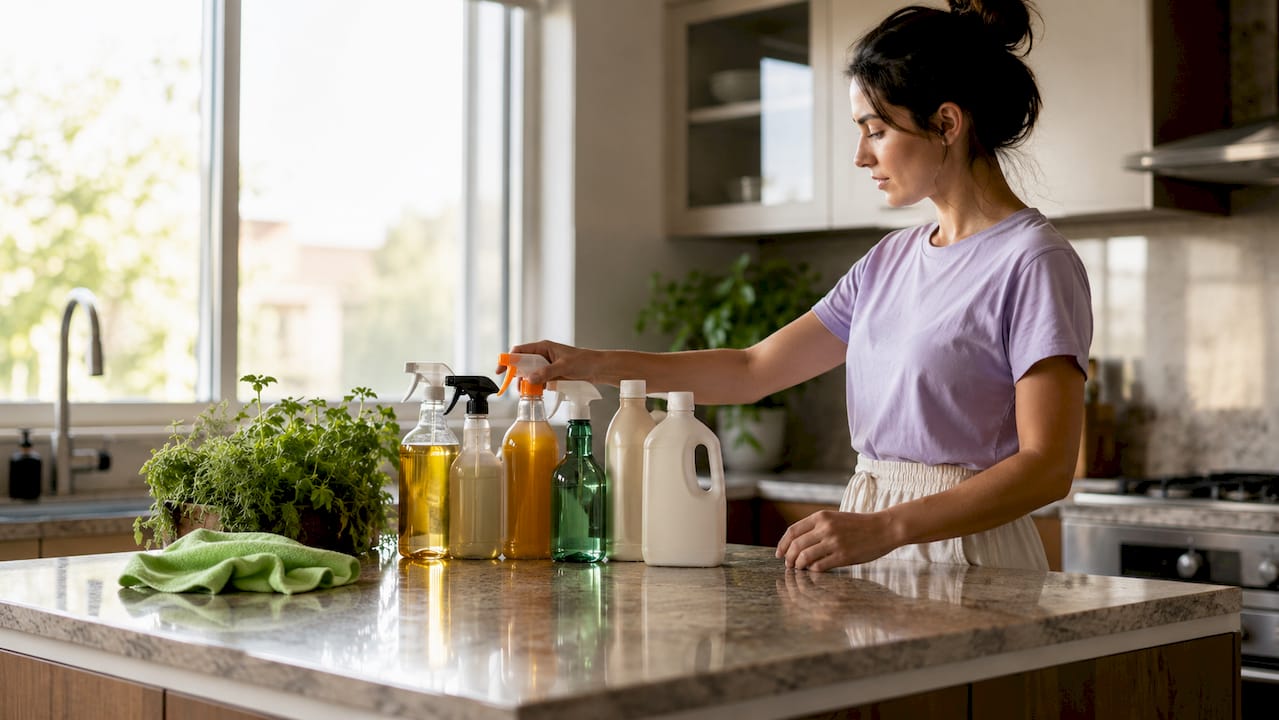
Vocs, glycol ethers, and preservatives
VOCs evaporate at room temperature and accumulate in indoor air. Glycol ethers, found in many all-purpose cleaners and degreasers, are absorbed through both skin and inhalation. Preservatives like methylisothiazolinone (MIT) are common in liquid cleaners and are a leading cause of allergic contact dermatitis in the United States. Synthetic dyes add no cleaning function but do add allergenic risk.
| Chemical Type | Common Products | Associated Allergy Risk |
|---|---|---|
| Ammonia | Glass cleaners, floor sprays | Asthma, rhinitis, eye irritation |
| Bleach/Chlorine | Disinfectants, mold removers | Airway inflammation, skin burns |
| Synthetic Fragrances | Most scented cleaners | Contact dermatitis, asthma flare-ups |
| VOCs/Glycol Ethers | All-purpose cleaners, degreasers | Respiratory sensitization, headaches |
| Preservatives (MIT) | Liquid soaps, surface sprays | Allergic contact dermatitis |
Pro Tip: Check the Environmental Working Group (EWG) Healthy Cleaning database before buying any new product. EWG rates thousands of cleaners by ingredient safety, and it takes less than 30 seconds to look up a product.
How do cleaning products provoke allergies and respiratory symptoms?
The body reacts to cleaning chemicals through three main exposure routes: inhalation, skin contact, and airborne particle settling. Each route produces different but overlapping symptoms.
Inhalation is the fastest route. Spraying a conventional cleaner releases a fine aerosol mist that travels directly into the lungs. Residential cleaning product exposure elevates asthma risk in both children and adults, according to a 2024 study published in Environment International. That finding matters because most people assume cleaning is a health-positive activity. The act of cleaning can actually worsen respiratory health when the wrong products are used.
Skin contact triggers contact dermatitis in people with sensitive skin or existing eczema. The skin barrier absorbs chemicals from wet surfaces, sponges, and cleaning cloths. Symptoms include redness, itching, and blistering, often appearing hours after exposure rather than immediately.
Airborne settling is the least obvious route. VOCs released during cleaning do not disappear when you leave the room. They linger in carpets, upholstery, and soft furnishings, creating ongoing low-level exposure long after the cleaning session ends. People with asthma or eczema also react to secondary pollutants formed when VOCs react with indoor ozone. This chemical reaction produces formaldehyde and ultrafine particles, both of which are potent allergens.
Certain groups face higher risk from cleaning supplies allergy symptoms:
- Children have smaller airways and developing immune systems, making them more vulnerable to chemical sensitization.
- People with asthma experience bronchospasm from even brief exposure to ammonia or bleach fumes.
- Eczema sufferers have a compromised skin barrier that absorbs chemical irritants more readily than healthy skin.
- Pregnant women face added concern because some VOCs and endocrine disruptors cross the placental barrier.
- Elderly individuals often spend more time indoors and accumulate higher total exposure over time.
Scent layering amplifies all of these risks. Using a scented floor cleaner, then a scented surface spray, then a scented air freshener creates a cumulative chemical fog that significantly aggravates respiratory sensitivities. Each product adds to the total chemical load in the room, and the combined effect is far worse than any single product alone.
What safer cleaning alternatives reduce allergy risks?
Allergy-friendly cleaning methods do not require sacrificing cleanliness. They require smarter product choices and a few changes in how you apply them.
Choose fragrance-free and plant-based products. The single most effective switch you can make is moving to fragrance-free cleaners. Plant-based cleaners use surfactants derived from coconut or corn rather than petroleum, which dramatically reduces VOC output. Look for products carrying the Asthma and Allergy Friendly Certification, which requires independent testing for respiratory and skin safety.
Use safer base ingredients. Baking soda below 5% concentration is safe for skin and does not cause irritation, making it a reliable low-risk option for sensitive individuals. White vinegar diluted with water handles most surface cleaning tasks without releasing harmful fumes. These are not just folk remedies. They are backed by clinical review as non-irritating alternatives. You can also find bleach-free disinfection methods that work effectively without the respiratory risk.
Change how you apply products. Spraying directly onto surfaces sends aerosol particles into the air you breathe. Apply cleaners to a cloth first, then wipe the surface. This single change reduces airborne chemical exposure by a significant margin without reducing cleaning effectiveness.
Here are practical steps for safer cleaning at home:
- Open windows and run exhaust fans during and after cleaning to flush VOCs out of the room.
- Use a HEPA filter vacuum and microfiber cloths to reduce allergen redistribution and cut dependence on chemical sprays.
- Store cleaning products in sealed containers away from living areas to prevent passive off-gassing.
- Wear nitrile gloves when using any liquid cleaner, even plant-based ones, to protect the skin barrier.
- Read labels carefully. “Natural” and “green” are unregulated marketing terms. Only “fragrance-free” and certified labels carry real meaning.
- Rotate to chemical-free body wash after cleaning sessions to remove any residual chemical contact from skin.
Pro Tip: Before committing to a new cleaning product, apply a small amount to the inside of your wrist and wait 24 hours. If redness, itching, or swelling appears, that product is not safe for your skin type.
How does your home environment affect allergy risk from cleaners?
Poor ventilation is the single biggest environmental factor that turns a mildly irritating cleaner into a serious health problem. VOCs accumulate rapidly in closed rooms. The U.S. Environmental Protection Agency has documented that indoor air can be 2–5 times more polluted than outdoor air, largely because of household product emissions.
Cleaning products are not the only source of chemical exposure in your home. Long-term exposure to air freshener VOCs increases indoor air pollution and health risks, particularly for allergy and asthma sufferers. Scented candles release benzene and toluene when burned. Dryer sheets coat fabrics with synthetic fragrance compounds that transfer to skin throughout the day. Plug-in air fresheners run continuously, providing uninterrupted VOC exposure.
The concept of nose-blindness makes this worse. Many people become nose-blind to constant indoor fragrance sources, which leads to increased product use and higher chemical exposure over time. You stop noticing the smell, so you spray more. The chemical load keeps climbing while your perception of it drops to zero.
| Product Type | Primary Irritant | Risk Level for Allergy Sufferers |
|---|---|---|
| Scented surface sprays | Synthetic fragrance, VOCs | High |
| Bleach-based disinfectants | Chlorine gas | High |
| Plug-in air fresheners | Continuous VOC emission | High |
| Scented candles | Benzene, toluene | Medium-High |
| Dryer sheets | Fragrance compounds | Medium |
| Plant-based fragrance-free cleaners | Minimal | Low |
Effective allergen reduction requires a whole-home approach: certified products, proper ventilation, and managing all scented product sources together. Switching your floor cleaner but keeping a plug-in air freshener in every room defeats the purpose. The goal is to reduce total chemical load across the entire home, not just one product category.
Pro Tip: Do a full scent audit of your home. Walk through each room and identify every product with a fragrance: candles, air fresheners, fabric softeners, cleaning sprays, and hand soaps. Replace them one by one with fragrance-free alternatives. The cumulative reduction in your chemical exposure will be dramatic.
Key takeaways
Cleaning products cause allergies because their chemical ingredients, especially synthetic fragrances, ammonia, bleach, and VOCs, trigger immune responses and respiratory reactions that worsen with repeated exposure.
| Point | Details |
|---|---|
| Core chemical triggers | Ammonia, bleach, synthetic fragrances, and VOCs are the primary allergens in conventional cleaners. |
| Three exposure routes | Inhalation, skin contact, and airborne settling all contribute to cleaning supplies allergy symptoms. |
| Fragrance-free is non-negotiable | “Fragrance-free” is the only label that reliably signals the absence of hidden chemical allergens. |
| Application method matters | Applying cleaners to a cloth instead of spraying directly cuts airborne chemical exposure significantly. |
| Whole-home approach wins | Reducing total chemical load across all scented products, not just cleaners, produces the best results. |
What i’ve learned after years of watching people clean themselves sick
The most frustrating pattern I see is people who switch to a “natural” cleaner and wonder why their symptoms persist. The word “natural” on a label means nothing. A product can contain natural-derived fragrance compounds that are just as allergenic as synthetic ones. The only label worth trusting is “fragrance-free,” and even then, you need to check for preservatives like MIT.
The second thing most people miss is scent layering. They focus entirely on the cleaning product and ignore the plug-in air freshener running in the background, the dryer sheets in their laundry, and the scented candle on the counter. Each of those products adds to the total chemical burden in your home. Your airways do not distinguish between a “cleaning chemical” and a “home fragrance chemical.” They react to the total load.
What actually works is combining product choice with method and ventilation. A fragrance-free, plant-based cleaner applied to a cloth, used in a well-ventilated room, with a HEPA vacuum for follow-up, produces a genuinely low-exposure cleaning session. That combination is more effective than any single product switch alone.
The ingredient disclosure problem is real and worth pushing back on. Fragrance formulas are legally protected as trade secrets in the United States. That means a company can list “fragrance” on a label and hide 50 individual chemicals behind that single word. Until labeling laws change, your best defense is choosing certified products and demanding transparency from brands you buy from.
Your respiratory health is worth the extra five minutes of label reading.
— Gimmi
Clean smarter with Jermaphobi4me
If you’ve been dealing with sneezing, skin flare-ups, or breathing issues after cleaning, the products in your cabinet may be the cause. Jermaphobi4me carries a curated range of fragrance-free, plant-based, and hypoallergenic cleaning and hygiene products designed specifically for people with sensitivities.
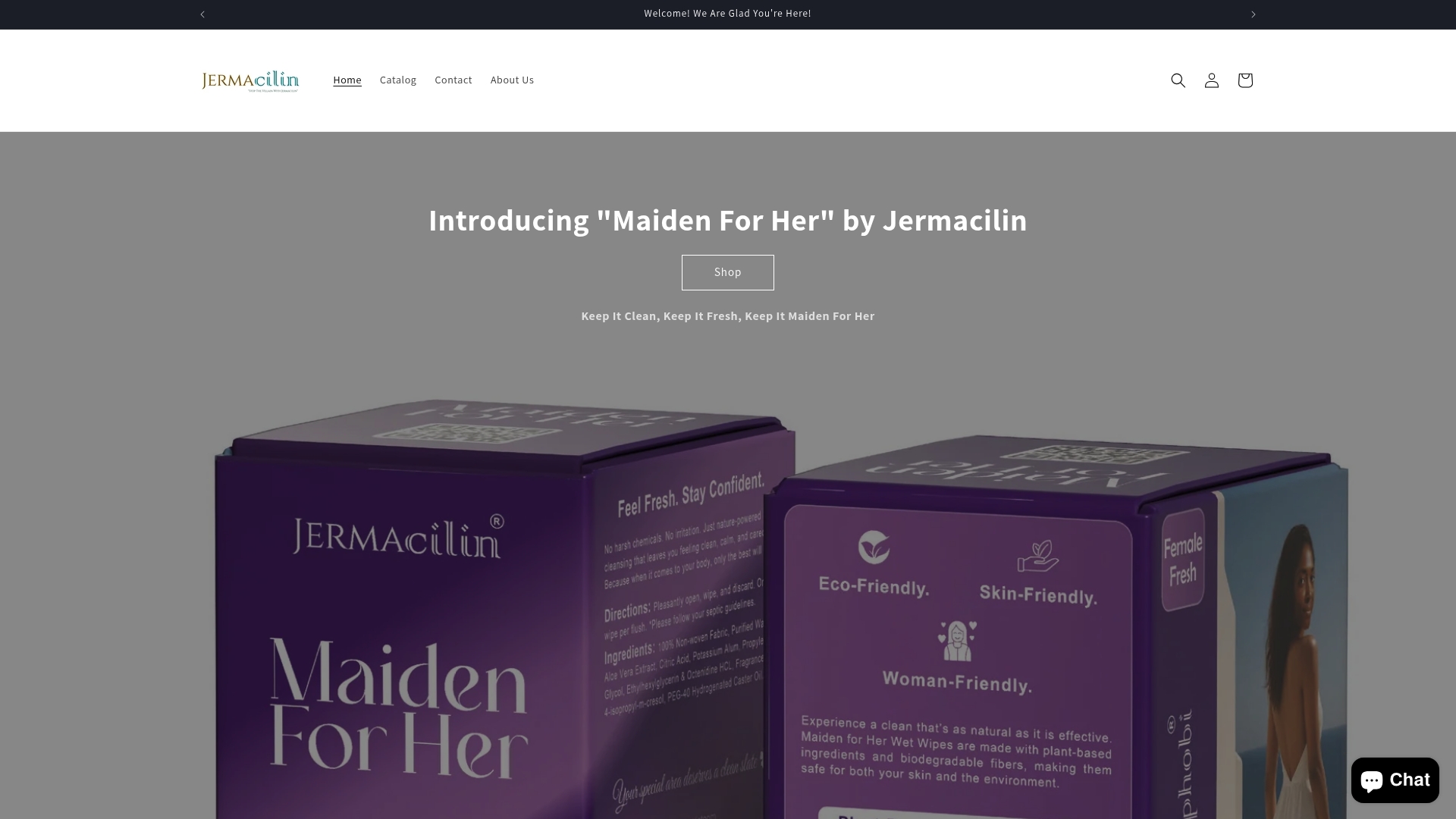
The top-selling products include options tested for low irritation risk, with no synthetic fragrances or harsh chemical additives. For those just getting started, the Hand Hygiene Starter Kit offers travel-size fragrance-free essentials ideal for sensitive skin. The Maiden For Her wet wipes are plant-based, pH balanced, and gentle enough for eczema-prone skin. Jermaphobi4me exists to help you keep your environment clean without paying for it with your health.
FAQ
What are the most common allergens in cleaning products?
Synthetic fragrances, ammonia, bleach, glycol ethers, and preservatives like methylisothiazolinone are the most common allergens in household cleaners. Fragrance is the leading cause of allergic contact dermatitis from cleaning products.
Can cleaning products trigger asthma attacks?
Yes. Residential cleaning product exposure is directly linked to asthma onset and persistent asthma symptoms in both children and adults, according to a 2024 study in Environment International.
What does “fragrance-free” mean on a cleaning product label?
“Fragrance-free” means no fragrance compounds were added to the formula. It differs from “unscented,” which may still contain masking fragrances. Consumer Reports identifies fragrance-free labeling as the most reliable indicator of reduced allergen risk.
Are natural or green cleaning products always safer for allergies?
Not automatically. “Natural” and “green” are unregulated marketing terms with no legal definition. A product can be plant-derived and still contain allergenic fragrance compounds. Look for the Asthma and Allergy Friendly Certification for independently verified safety.
How can i reduce allergy symptoms from cleaning without replacing every product?
Start by switching to fragrance-free versions of the products you use most often, apply cleaners to cloths instead of spraying directly, and open windows during and after cleaning. These three changes reduce your total chemical exposure without requiring a complete product overhaul.
Recommended
- What Is a Safe Cleaning Product? Your 2026 Guide – Gimmi Vitality Products dba Jermacilin Store
- How to Disinfect Your Kitchen Without Harsh Bleach – Gimmi Vitality Products dba Jermacilin Store
- Types of Chemical-Free Body Wash: Your 2026 Guide – Gimmi Vitality Products dba Jermacilin Store
- Why Natural Deodorant Works: the Science Explained – Gimmi Vitality Products dba Jermacilin Store