

A biodegradable cleaner is defined as a cleaning product whose ingredients break down naturally through biological activity into simpler, non-persistent substances that do not accumulate in the environment. The term comes from Merriam-Webster and the EPA, both of which emphasize degradation driven by living microorganisms. Understanding what does biodegradable cleaner mean goes beyond reading a label. It requires knowing how products are tested, what ingredients qualify, and how to tell a credible claim from a marketing shortcut. Jermaphobi4me breaks it all down here so you can make informed choices for your home and health.
What does biodegradable cleaner mean, and how is it defined?
A biodegradable cleaner is any cleaning product formulated so its active ingredients are consumed and broken down by microorganisms, such as bacteria and fungi, into water, carbon dioxide, and mineral salts. The key word is ingredients, not the whole product. A bottle labeled biodegradable may still contain packaging, preservatives, or fragrance compounds that do not biodegrade at the same rate.
The standard industry term for this property is ready biodegradability, a classification used by the OECD and the EPA. Ready biodegradability means a substance breaks down quickly and completely under controlled aerobic conditions. Products that meet this standard pose a lower risk of building up in waterways, soil, or aquatic food chains.
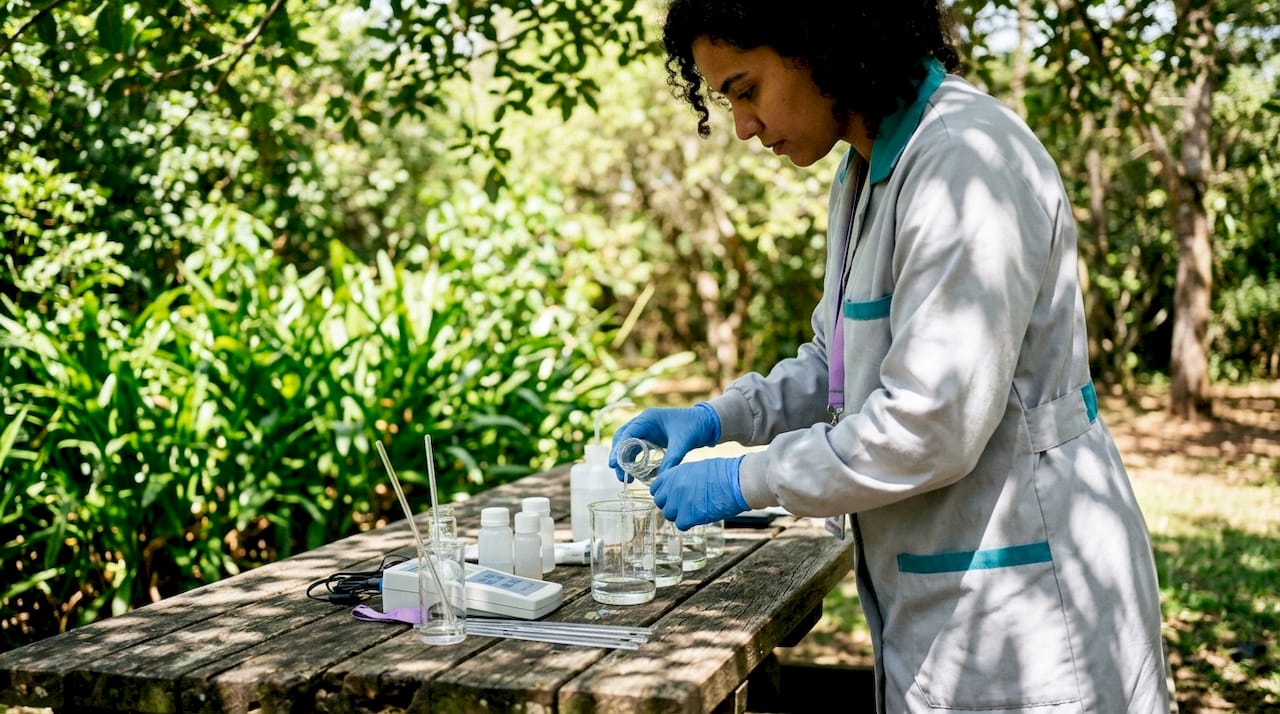
The EPA’s definition also ties biodegradability to consumer safety. A product that lingers in the environment can continue exposing people and wildlife to chemical residues long after it is rinsed down the drain. That is why the meaning of biodegradable cleaning products matters beyond environmental optics. It has direct consequences for water quality and human health.
How do biodegradability tests like OECD 301A determine if a cleaner is truly biodegradable?
The OECD 301A DOC Die-Away test is the gold standard for measuring ready biodegradability. OECD 301A requires at least 70% removal of dissolved organic carbon (DOC) within a critical 10-day window inside a 28-day aerobic aqueous test. That 10-day window is the detail most consumers never hear about. A product that degrades slowly over 28 days does not qualify as readily biodegradable under this standard, even if it eventually breaks down.
The OECD family of tests covers several methods, each with different conditions and pass thresholds. The table below compares the most common ones.
| Test Method | Measurement | Pass Threshold | Conditions |
|---|---|---|---|
| OECD 301A (DOC Die-Away) | Dissolved organic carbon removal | ≥70% in 10-day window | Aerobic aqueous |
| OECD 301B (CO₂ Evolution) | Carbon dioxide production | ≥60% theoretical CO₂ | Aerobic aqueous |
| OECD 301D (Closed Bottle) | Oxygen consumption | ≥60% theoretical demand | Aerobic aqueous |
| OECD 301F (Manometric Respirometry) | Oxygen uptake | ≥60% theoretical demand | Aerobic aqueous |
All four methods test substances under aerobic aqueous conditions, meaning oxygen-rich water environments. That matters because real-world biodegradation depends heavily on disposal conditions matching those test environments. A cleaner that passes OECD 301A in a lab may persist longer in a landfill, a septic tank, or a slow-moving river where oxygen levels are low.
OECD-ready biodegradability testing for cleaning products also focuses on individual surfactants and solubilizers, not the entire product formula. A company can test one ingredient, pass, and then label the whole product as biodegradable. That gap between ingredient testing and full-formula claims is where consumer confusion begins.
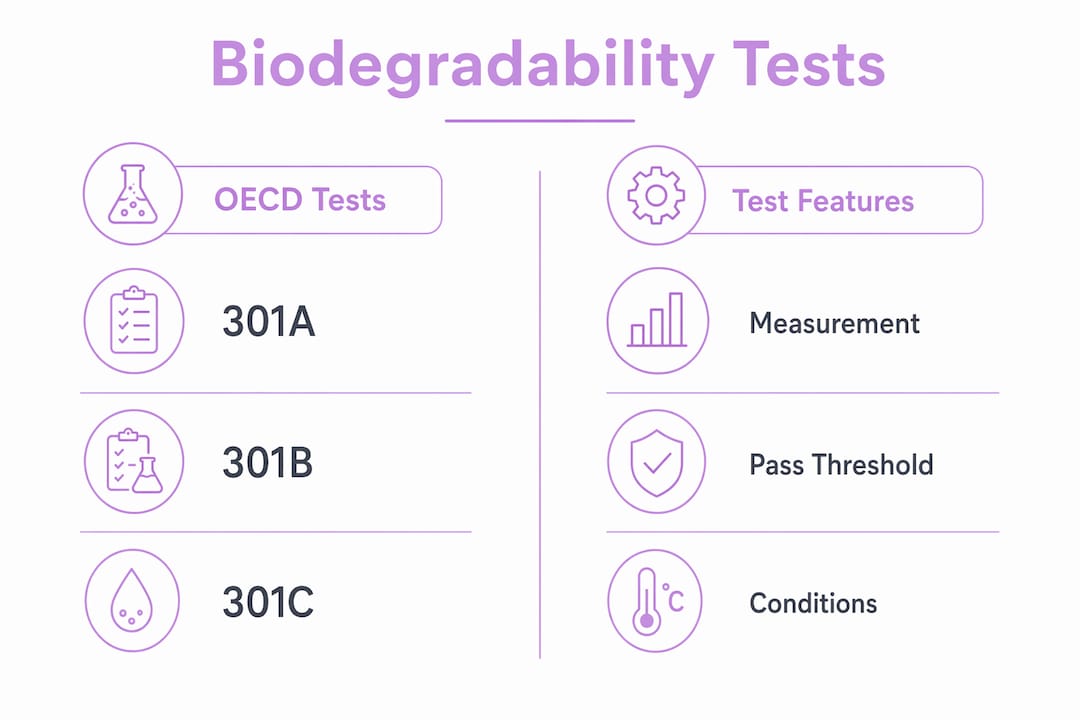
Pro Tip: When evaluating a product, ask whether the biodegradability claim applies to the full formula or just one ingredient. Reputable brands will specify which components were tested and under what standard.
What ingredients make a cleaner biodegradable?
Biodegradable cleaners rely on ingredients that microorganisms can readily consume. The most common are plant-derived surfactants, such as those made from coconut oil, corn, or sugarcane. These break down faster than their petroleum-based counterparts because their molecular structures are closer to what microbes already process in nature.
Castile soap is biodegradable because it is made from natural vegetable oils, typically olive or coconut, that break down harmlessly in the environment. This makes it a reliable reference point when asking what does biodegradable soap mean. Castile soap contains no synthetic detergents, phosphates, or optical brighteners, all of which are known to persist in aquatic environments.
Common biodegradable ingredients include:
- Plant-based surfactants such as sodium coco sulfate and decyl glucoside, derived from coconut and corn
- Vegetable oils including olive, coconut, and sunflower oil used as base or conditioning agents
- Citric acid from fermented sugars, used as a pH adjuster and mild descaler
- Enzymes like protease and amylase, which break down protein and starch soils and then biodegrade themselves
- Essential oils such as tea tree and lavender, used for fragrance and mild antimicrobial action
The ingredient picture is not entirely clean, though. Some surfactants biodegrade slowly or break down into more toxic, persistent, and bioaccumulative chemicals, posing real aquatic toxicity risks even when the parent compound carries a biodegradable label. Nonylphenol ethoxylates (NPEs), once common in household cleaners, are a documented example. Their breakdown products are endocrine disruptors that accumulate in fish tissue.
Biodegradable does not equal non-toxic. That is the most important distinction in this entire topic. A substance can biodegrade and still cause harm during the time it takes to break down, or through the compounds it produces along the way.
Pro Tip: Look for full ingredient disclosure on product labels or the brand’s website. Cross-reference ingredients against the EPA’s Safer Choice ingredient database to confirm both biodegradability and low toxicity before buying.
How to interpret biodegradable claims and avoid greenwashing
The word “biodegradable” on a label carries no legal definition under federal law in the United States. The Federal Trade Commission’s Green Guides and the EPA both warn that vague biodegradable claims without substantiation are misleading and constitute greenwashing. A claim is only credible when it specifies what breaks down, under what conditions, and within what timeframe.
Phrases like “eco safe,” “earth friendly,” or “green formula” are marketing language, not certifications. They carry no regulatory weight and no testing requirement. Consumers who rely on these terms alone are making purchasing decisions based on packaging design, not science.
Here is how to verify a biodegradable cleaning product claim before you buy:
- Check for EPA Safer Choice certification. The EPA Safer Choice program certifies products with safer ingredients for both humans and the environment. The label is searchable through the EPA’s online product database.
- Look for OECD or ISO test references. A credible brand will cite which test method was used and which ingredients were evaluated.
- Read the full ingredient list. Avoid products that list “fragrance” or “surfactant blend” without naming specific compounds.
- Search the EPA’s Safer Chemical Ingredients List (SCIL). This list ranks chemicals by safety profile and is publicly available.
- Avoid unqualified green terms. If a label says “biodegradable” without specifying a timeframe or test standard, treat the claim as unverified.
For a deeper look at how certifications work in practice, the Jermaphobi4me guide on safe cleaning products covers EPA criteria and ingredient evaluation in plain language.
What is the environmental impact of biodegradable cleaners vs. conventional products?
Biodegradable cleaners reduce the chemical load entering waterways, soil, and municipal wastewater systems. When a surfactant breaks down quickly and completely, it does not accumulate in rivers or sediment, which protects aquatic organisms from chronic low-level exposure. Conventional cleaners that contain phosphates, synthetic fragrances, or petroleum-based surfactants contribute to algal blooms, oxygen depletion in water bodies, and long-term soil contamination.
The comparison is not black and white, though. Biodegradation speed and completeness depend on the disposal environment. A product flushed into a well-managed municipal wastewater treatment plant biodegrades far faster than the same product entering a septic system or a rural drainage ditch. Real-world biodegradation conditions rarely match the controlled aerobic aqueous environments used in OECD testing.
| Factor | Biodegradable cleaners | Conventional cleaners |
|---|---|---|
| Breakdown speed | Faster under aerobic conditions | Slower; some compounds persist for years |
| Aquatic toxicity | Generally lower, but byproducts vary | Higher; phosphates and NPEs are documented hazards |
| Soil impact | Minimal when fully degraded | Can alter soil pH and microbial communities |
| Wastewater treatment | Easier to process in municipal systems | Some compounds pass through treatment unchanged |
| Bioaccumulation risk | Low for certified ingredients | High for petroleum-based surfactants and synthetic fragrances |
Choosing biodegradable cleaners is a meaningful step toward reducing your household’s chemical footprint. Pairing that choice with certified products, like those carrying the EPA Safer Choice label, closes the gap between marketing claims and actual environmental benefit. For practical guidance on reducing harsh chemicals at home, the Jermaphobi4me article on disinfecting without bleach offers concrete alternatives.
Key Takeaways
Biodegradable cleaners reduce environmental harm only when their ingredients are fully tested, certified, and matched to real disposal conditions.
| Point | Details |
|---|---|
| Definition of biodegradable cleaner | Ingredients break down via microorganisms into water, CO₂, and mineral salts without persisting in the environment. |
| OECD 301A is the key test | A substance must achieve ≥70% DOC removal within a 10-day window to qualify as readily biodegradable. |
| Biodegradable does not mean non-toxic | Some surfactant breakdown products are more harmful than the original compound. |
| Greenwashing is common | Unqualified claims like “eco safe” carry no regulatory backing; look for EPA Safer Choice certification instead. |
| Real-world conditions matter | Lab test results may not reflect how a product behaves in septic systems, landfills, or low-oxygen waterways. |
Why I think “biodegradable” is the most misunderstood word in cleaning
After years of working in health and beauty with a focus on clean environments, I have seen one pattern repeat itself constantly. People buy a product labeled biodegradable and assume the job is done. They feel good. They stop asking questions. That is exactly when the label does the most damage.
The science tells a different story. A product can pass a biodegradability test on one ingredient, carry the label across the whole formula, and still contain compounds that take months to break down in your local waterway. Biodegradable is a spectrum, not a switch. The OECD 301A standard exists precisely because the industry needed a hard threshold, not a vague promise.
My honest advice: treat biodegradability as one criterion, not the final answer. The full ingredient profile, the certifications behind the product, and the brand’s transparency about testing all matter more than the word on the front of the bottle. EPA Safer Choice certification is the closest thing to a reliable shortcut. If a brand cannot point to that or an equivalent standard, keep looking. Your home environment and your health deserve more than a marketing claim.
— Gimmi
Jermaphobi4me’s picks for certified, cleaner cleaning products
Knowing what biodegradable cleaners are is only half the work. Finding products that actually meet the standard is the other half.
Jermaphobi4me carries a line of health and beauty products built around the principle that clean environments support healthy people. The top-selling products in the Jermaphobi4me store are selected with ingredient safety and environmental responsibility in mind, giving you a practical starting point without hours of label research. For those building a cleaner routine from scratch, the Hand Hygiene Starter Kit offers travel-size eco-conscious options that fit any lifestyle. Every product reflects Jermaphobi4me’s commitment to cleaner spaces and healthier people.
FAQ
What does biodegradable cleaner mean in simple terms?
A biodegradable cleaner contains ingredients that microorganisms can break down into water, carbon dioxide, and harmless mineral salts. The process reduces the product’s persistence in the environment after it is rinsed away.
What does biodegradable soap mean compared to regular soap?
Biodegradable soap, like castile soap, is made from natural vegetable oils that microorganisms break down quickly and completely. Regular synthetic soaps often contain petroleum-based compounds that degrade more slowly and can harm aquatic life.
Are biodegradable cleaners as effective as conventional ones?
Yes. Plant-based surfactants and enzyme-based formulas clean effectively across most household tasks. Effectiveness depends on the specific formula, not whether the ingredients are synthetic or natural.
How do I know if a biodegradable claim is legitimate?
Look for EPA Safer Choice certification or a reference to OECD 301A or 301B testing on the product or brand website. Unqualified terms like “green” or “eco safe” without a named certification or test standard are not verified claims.
Does biodegradable mean a cleaner is safe for people?
Not automatically. Biodegradability describes how a substance breaks down in the environment, not its toxicity to humans. Some biodegradable compounds still cause skin irritation or produce harmful breakdown products. Always check the full ingredient list alongside any biodegradability claim.
Recommended
- What Is Chemical-Free Cleaning? A Practical Guide – Gimmi Vitality Products dba Jermacilin Store
- What Is a Safe Cleaning Product? Your 2026 Guide – Gimmi Vitality Products dba Jermacilin Store
- How to Disinfect Your Kitchen Without Harsh Bleach – Gimmi Vitality Products dba Jermacilin Store
- Types of Chemical-Free Body Wash: Your 2026 Guide – Gimmi Vitality Products dba Jermacilin Store