

Natural period care product types are menstrual products made from organic, biodegradable, or sustainably sourced materials that minimize chemical exposure and environmental impact. The shift toward these options is driven by growing evidence that synthetic materials disrupt the intimate microbiome and cause irritation. Certifications like GOTS (Global Organic Textile Standard) and FSC (Forest Stewardship Council) now serve as the clearest signals of product safety and environmental responsibility. Whether you are new to eco-friendly period care or refining your current routine, understanding each product category helps you choose with confidence.
1. Organic disposable pads: the natural starting point
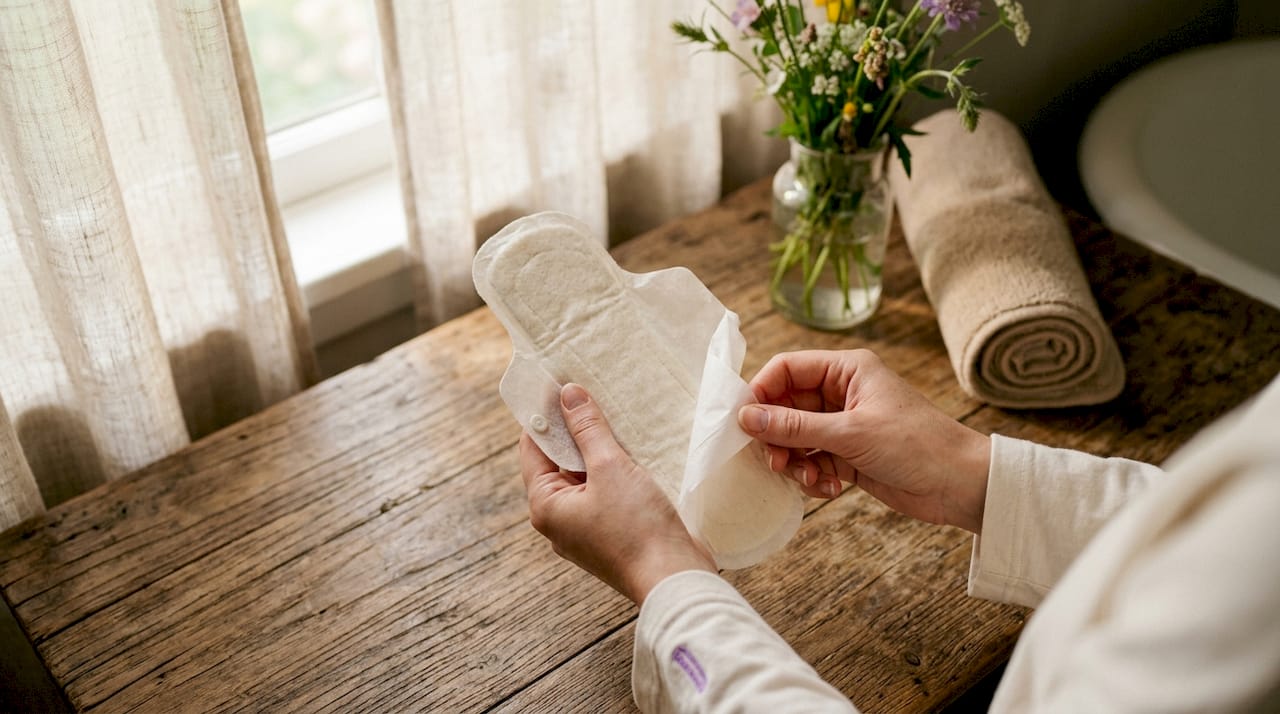
Organic disposable pads are the most familiar natural period care product type for most people. They use organic cotton and FSC-certified biodegradable pulp instead of the synthetic fibers and plastics found in conventional pads. That material difference matters because organic cotton breathes better against skin and does not carry the residual pesticides or bleaching agents common in standard pads.
Key features to look for:
- GOTS-certified organic cotton top layer
- Chlorine-free, fragrance-free construction
- Biodegradable or compostable packaging
- Absorbency options from panty liner to overnight
Pro Tip: Choose fragrance-free, chlorine-free organic pads to reduce the risk of contact irritation, especially if you have sensitive skin or a history of vulvar discomfort.
Conventional pads often contain plastics that take centuries to decompose. Organic alternatives use plant-based polymers and natural fibers that break down far faster, reducing landfill burden without sacrificing absorbency.
2. Organic tampons: internal protection without synthetic chemicals
Organic tampons are defined by their use of unscented organic cotton with no synthetic fragrance, dyes, or chlorine bleaching. Gynecologists specifically recommend cardboard applicator versions over plastic ones for people with sensitivities. The absence of synthetic additives lowers the risk of vaginal irritation and allergic response compared to conventional tampons.
Key features to look for:
- 100% organic cotton absorbent core
- Cardboard or no applicator (BPA-free plastic if applicator is required)
- Available in light, regular, super, and super plus absorbencies
- No added fragrance or deodorant
Organic tampons handle light to heavy flow equally well. They suit active days, swimming, and travel when external products feel impractical. The main trade-off is cost: organic options typically run higher per unit than conventional tampons, though the health and environmental benefits offset that gap for most people.
3. Menstrual cups: long-lasting reusable collection
Menstrual cups are small, flexible cups made from medical-grade silicone, latex, or natural rubber that collect menstrual blood internally. Reusable cups last 5–10 years, which makes them one of the most cost-effective and waste-reducing options available. A single cup replaces hundreds of disposable products over its lifespan.
Key benefits:
- Holds more fluid than a standard tampon, ideal for heavy flow days
- Does not dry out vaginal mucosa the way synthetic tampons can
- Gentle on intimate tissue, supporting microbiome health
- Suitable for swimming, sports, and overnight use
- Requires boiling or sterilizing between cycles
Pro Tip: Acclimate to cup insertion gradually. Practice folding techniques like the C-fold or punch-down fold before your period starts to reduce initial discomfort.
The learning curve is real but short. Most people feel comfortable with insertion and removal within two to three cycles. Once mastered, cups offer up to 12 hours of protection without changing.
4. Menstrual discs: a flat alternative to cups
Menstrual discs sit at the base of the cervix rather than in the vaginal canal, which gives them a distinct fit compared to cups. They are made from medical-grade silicone or flexible polymer and can be worn during penetrative sex, making them unique among internal period products. Discs also hold a high volume of fluid, making them well-suited for heavy flow days.
Discs come in both reusable silicone versions and single-use disposable formats. The reusable versions share the same environmental advantages as cups. The disposable versions offer convenience for travel or situations where cleaning is not practical. Discs require a similar learning curve to cups but use a different insertion angle, so people who struggle with cups sometimes find discs easier to position correctly.
5. Reusable cloth pads: breathable and washable
Reusable cloth pads are made from organic cotton, bamboo, or hemp and fasten to underwear with snaps. They offer the same external protection as disposable pads without the plastic layers or synthetic chemicals. Bamboo and hemp fabrics are naturally antimicrobial, which helps manage odor without added fragrance.
Key features to look for:
- Organic cotton, bamboo, or hemp outer and inner layers
- Multiple absorbency layers for heavier days
- Snap closures that fit standard underwear
- Machine washable and durable for years of use
Cloth pads suit people with sensitive skin who react to the synthetic materials in disposable products. They also work well as backup protection alongside a cup or disc. The upfront cost is higher than disposables, but the long lifespan makes them economical over time.
6. Period underwear: all-in-one absorbent protection
Period underwear is built-in absorbent underwear that replaces or supplements other period products. The absorbent layers are typically made from organic cotton or moisture-wicking plant-based fabrics. High-quality period underwear can hold the equivalent of two to four tampons worth of fluid, depending on the style.
Period underwear works best for light to moderate flow days, overnight use, or as backup protection with a cup or disc. It feels like regular underwear, which makes it a comfortable choice for everyday wear. Care is straightforward: rinse in cold water after use, then machine wash on a gentle cycle. With proper care, period underwear lasts two to three years before absorbency degrades.
7. Comparing natural period care options by lifestyle and flow
Choosing the right product comes down to three factors: flow level, daily activity, and skin sensitivity. No single product covers every situation, which is why building a product wardrobe that combines internal and external options is the approach most experienced people settle on.
| Product | Comfort | Absorbency | Cost over time | Environmental impact | Ease of use |
|---|---|---|---|---|---|
| Organic disposable pads | High | Light to heavy | Moderate | Low to moderate | Very easy |
| Organic tampons | High | Light to super plus | Moderate | Low to moderate | Easy |
| Menstrual cups | High (after learning) | Heavy | Very low | Very low | Moderate learning curve |
| Menstrual discs | High (after learning) | Heavy | Low to very low | Low to very low | Moderate learning curve |
| Reusable cloth pads | Very high | Light to heavy | Very low | Very low | Easy |
| Period underwear | Very high | Light to moderate | Low | Very low | Very easy |
“Mixing internal and external products to balance discretion, comfort, and protection for different days is the norm among experienced menstruators. There is no single right answer. The best approach is one that fits your body, your schedule, and your values.”
Skin sensitivity narrows the field quickly. People prone to vulvar irritation do best with organic cotton or bamboo external products and medical-grade silicone internal ones. People with latex allergies should avoid natural rubber cups and choose silicone or polymer alternatives instead.
8. How to support natural feminine hygiene alongside period products
Period products address flow management, but daily intimate hygiene practices complete the picture. pH-balanced, fragrance-free intimate washes are the standard recommendation from gynecologists for external cleansing during your period. These products clean without stripping the natural acid mantle of the vulvar skin.
Practices that protect intimate health:
- Use only external cleansing. The vagina is self-cleaning internally.
- Choose fragrance-free intimate wipes for on-the-go freshness without irritation.
- Avoid douching, which disrupts the vaginal microbiome and raises infection risk.
- Wear breathable cotton underwear during your period to reduce moisture buildup.
- Change period products on schedule to prevent bacterial growth.
Natural feminine cleansing wipes made with plant-based ingredients and no alcohol or synthetic fragrance are a practical complement to any period care routine. They are especially useful when access to a sink is limited. Look for wipes that are gynecologist-tested and pH-matched to vulvar skin, which sits between 3.8 and 5.0 on the pH scale.
Key takeaways
The most effective approach to natural period care combines certified organic or medical-grade materials with a mix of product types matched to your flow, activity level, and skin sensitivity.
| Point | Details |
|---|---|
| Certifications signal safety | Look for GOTS-certified cotton and FSC-certified pulp to confirm organic and sustainable sourcing. |
| Reusables cut cost and waste | Cups and cloth pads last years, replacing hundreds of disposable products over their lifespan. |
| Skin sensitivity guides product choice | Organic cotton and medical-grade silicone reduce irritation risk for people with reactive skin. |
| A product wardrobe works best | Combining internal and external products covers different flow levels and daily activities. |
| Hygiene practices matter too | pH-balanced, fragrance-free cleansing completes a natural period care routine. |
What I have learned from building a natural period care routine
A perspective from Gimmi
The most common mistake I see is treating this as an all-or-nothing switch. People try one menstrual cup, struggle with insertion on day one, and conclude that reusables are not for them. That is the wrong frame entirely.
What actually works is building a small collection over time. Start with organic disposable pads or tampons if you want a low-friction entry point. Add a cup or disc once you feel ready to experiment. Layer in period underwear for overnight or light days. Within a cycle or two, you will know which combinations feel right.
The certification piece matters more than most people realize. A product labeled “natural” without GOTS or FSC backing is a marketing claim, not a verified standard. I always check for those certifications before recommending anything. Ingredient transparency is the other filter. If a brand will not list every component, that tells you something.
The skin benefits surprised me most. People who switched from conventional to organic cotton products frequently report less end-of-period irritation and dryness. That outcome alone is worth the transition, even before you factor in the environmental impact.
— Gimmi
Natural period care at Jermaphobi4me
Jermaphobi4me focuses on clean, plant-based products that support both personal health and a cleaner environment. The range includes gentle feminine wipes made with pH-balanced, fragrance-free formulas designed for sensitive skin during your period and every day.
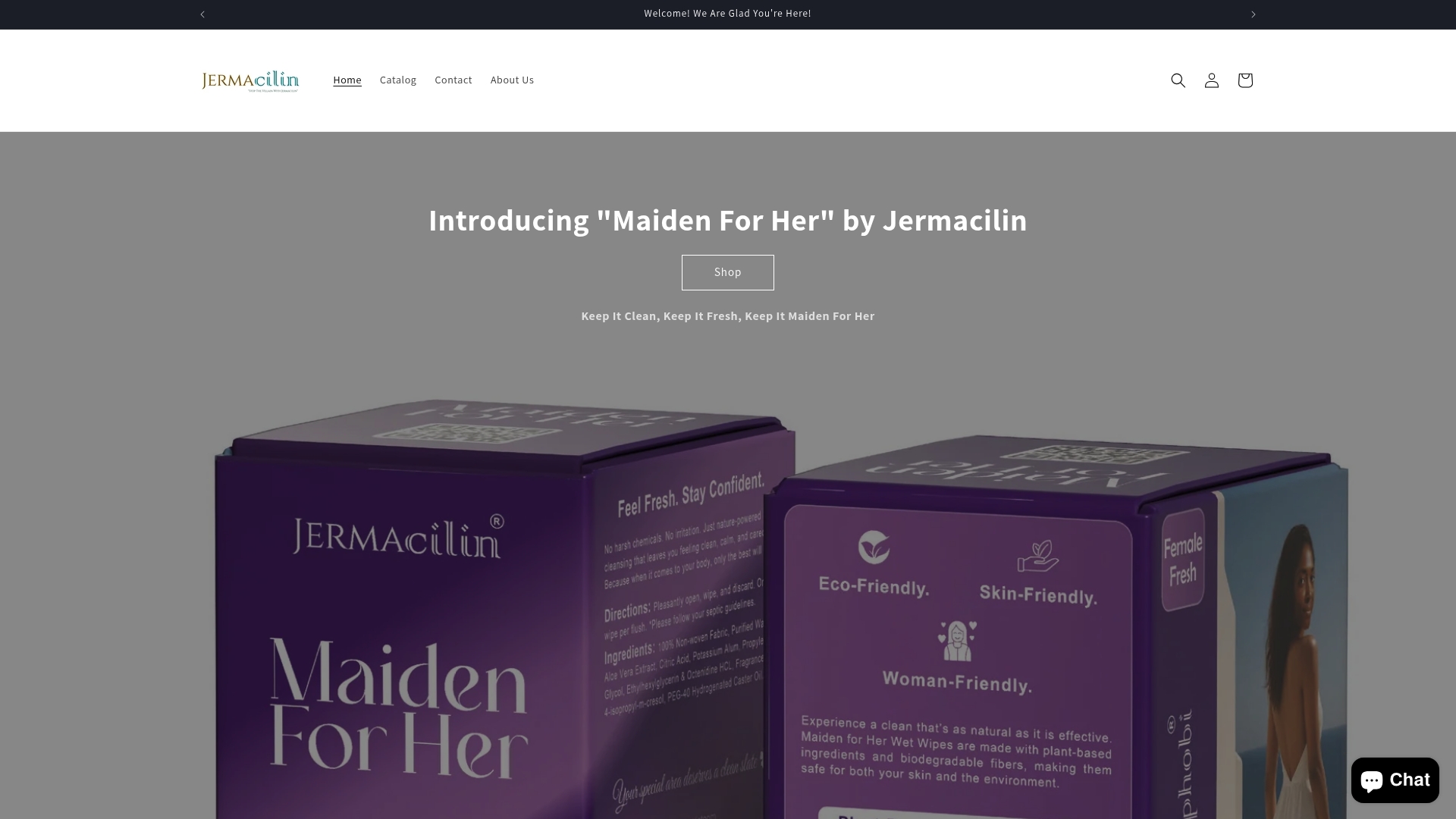
If you are building out a natural period care routine, the Jermaphobi4me blog covers everything from sensitive skin feminine wipes to daily intimate hygiene practices. The product selection is built around clean ingredients, gynecologist-aligned formulas, and materials that work with your body rather than against it. Visit Jermaphobi4me to shop or read more.
FAQ
What makes a period product “natural”?
A natural period product uses organic, biodegradable, or sustainably sourced materials such as GOTS-certified cotton or FSC-certified pulp, with no synthetic fragrances, chlorine bleaching, or plastic components.
Are menstrual cups safe for sensitive skin?
Yes. Menstrual cups made from medical-grade silicone do not dry out vaginal mucosa and are gentle on intimate tissue, making them a strong choice for people with sensitivities.
How long do reusable period products last?
Menstrual cups last 5–10 years with proper care, reusable cloth pads last several years with regular washing, and period underwear typically maintains absorbency for two to three years.
Can I use multiple natural period products together?
Combining products is the standard approach among experienced menstruators. Pairing a cup or disc with period underwear as backup, for example, covers heavy flow days and overnight use effectively.
Do organic tampons and pads cost more than conventional ones?
Organic disposable products typically cost more per unit than conventional options. Reusable alternatives like cups and cloth pads have higher upfront costs but lower long-term costs because they replace hundreds of disposable products over their lifespan.
Recommended
- Best Natural Feminine Hygiene Products – Gimmi Vitality Products dba Jermacilin Store
- Feminine Wellness Products Guide for Daily Care – Gimmi Vitality Products dba Jermacilin Store
- Why Natural Feminine Hygiene Wipes Matter – Gimmi Vitality Products dba Jermacilin Store
- Natural Feminine Cleansing Wipes Explained – Gimmi Vitality Products dba Jermacilin Store